Possum skin cloak: Wadi Wadi

Phoebe Nicholson wore the Wadi Wadi cloak at the opening ceremony of the 2006 Melbourne Commonwealth Games.

These images show the making of the cloak and details of some of the panels.

North-western Victoria. Murray River tribe.

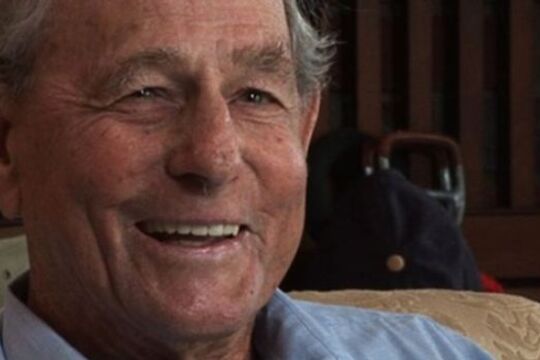
Click here to watch Interview: Wadi Wadi Elder Phoebe Nicholson.

Further Information

Phoebe Nicholson's interpretation of the cloak's panels.
First row
1: In the top left hand corner is the map of Australia and it’s showing the design of travelling. Signs of where people come into Australia - by plane or boat. At the time we were worried about terrorists coming to Australia and doing some terroristic acts, and we wanted peaceful Games and so we got the message stick with the olive branch on it. Everyone knows the olive is a sign of peace, and that's on the message stick that we're welcoming people to come into Australia. We’ve got two different colour heads - dark brown and the white heads. You've got the signs here of welcoming people into Australia.

If they (visitors) came, we wanted them to be peaceful and recognise the fact that we are the Indigenous First Australians and we're still here. And that was, you know, the reason for the message stick on there. That some of us were, you know, we were concerned about, is would they be a peaceful Commonwealth Games.

2: In the second panel is an old, elderly Indigenous couple wrapped in their possum skin cloaks. Back years ago, when a child was born, they'd start off with one or two little possum skins and as the child grew older, pieces would be added. So by the time it got to adult stage, they'd have all these other added pieces on there for that particular person. They'd protect you from the cold, protect you from the heat, be a nice rug. When you had to shift camp you were still pretty quite comfortable in that possum skin cloak. These days, mostly elders wear the possum skins cloaks. It’s a sign of respect.

3: In the third square, we've got the scar trees which is evidence of Aboriginal life, and the markings to show that yes, these people were here, we were there. That's something physical that people can see so they know that evidence of Aboriginal people.

4 The river design runs across the next two panels. You've got the Wakool and the Murrumbidgee rivers running into the Murray, which is the one that runs right through the centre of the whole cloak design. That's a little bit of contemporary art there, thrown in amongst my impressions of how I perceive some of traditional life must have been like.

5: We've got a couple of people going out in their canoes. We’ve got a young person there, he's on the bank, he's watching out, there's a swan on the water. The sun coming up, he's going out fishing. You can see the fish there in the middle and the sun at the top and the continuing of that design that comes though the river life.

6: It's got hunters going out in their canoes, fishing, spear fishing there. There’s a little chap sitting on the front of the canoe. He's going out with his Dad and probably his big brother or something. Going out for a bloke’s day, men's day so they're off out hunting.

Second row
7: Boomerang and tools of trade for the hunters.

8: Kookaburra sitting on a branch, possum on a branch down the bottom.

9: Porcupine and there's his travelling tracks. They usually stick to, you know, they're fairly consistent in the path they take. They're territorial as well.

10: Long neck turtle and all the little ones there are hatchlings. They're making their way out to the water and there are the birds and then the sun up the top. You know, in drought times, it gets pretty hot, and like life, you know, you got to pass through all these obstacles to finally get to where you want to go and they're headed to the water.

11: There is the river running through the middle.

12: A couple of emus running around in the bush.

13: A family of platypus or platypi, They've almost become extinct with just a few of them around down the areas where we live. If we know they're there, we just tend to keep quiet about it because we don't want too many people going in there and upsetting the balance.

15: A shield with a couple of spears on both sides of it and two boomerangs down the bottom. They’re mostly the men's hunting tools.

16: Birds and animals up the top. You’ll find the eagle in many indigenous designs. He is the powerful bird and in spirituality he is the top bird.


Detail

Possum skin cloak: Wadi Wadi,
Michael Carver / Regional Arts Victoria photographer,
Koorie Heritage Trust, 2006

Contributor


Terms of Use

Contact content contributor for terms of use.

Copyright

Michael Carver: md_carver@yahoo.com.au

Share This